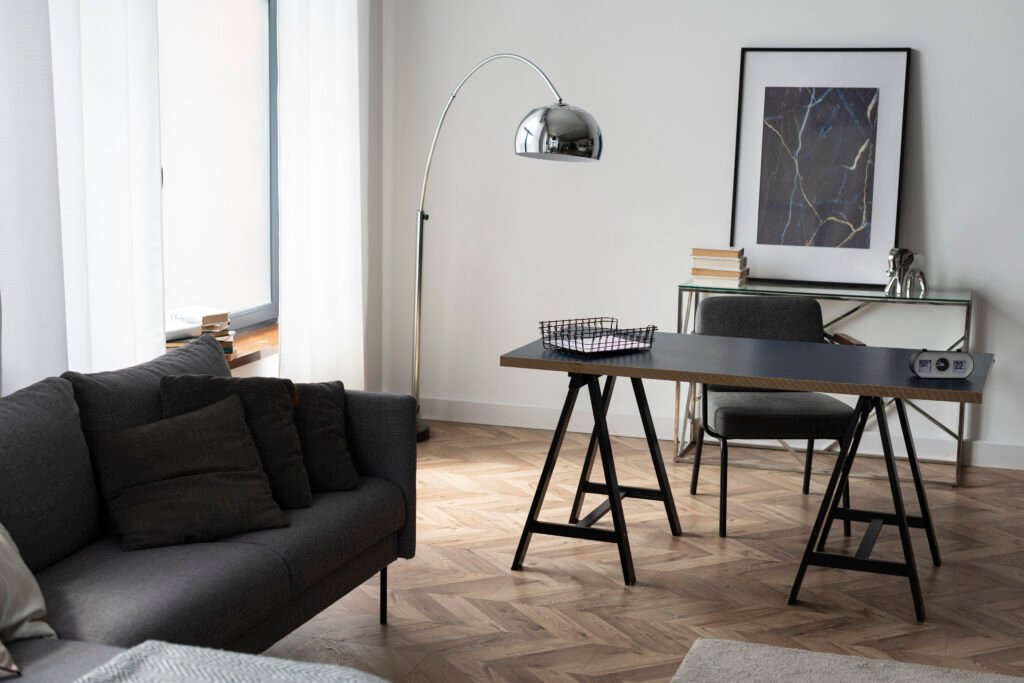
The Anatomy of a New York Loft: What Makes It Authentic?
Not every loft with exposed brick is a New York loft. Authenticity has a specific anatomy — and once you understand it, imitations become impossible to unsee.
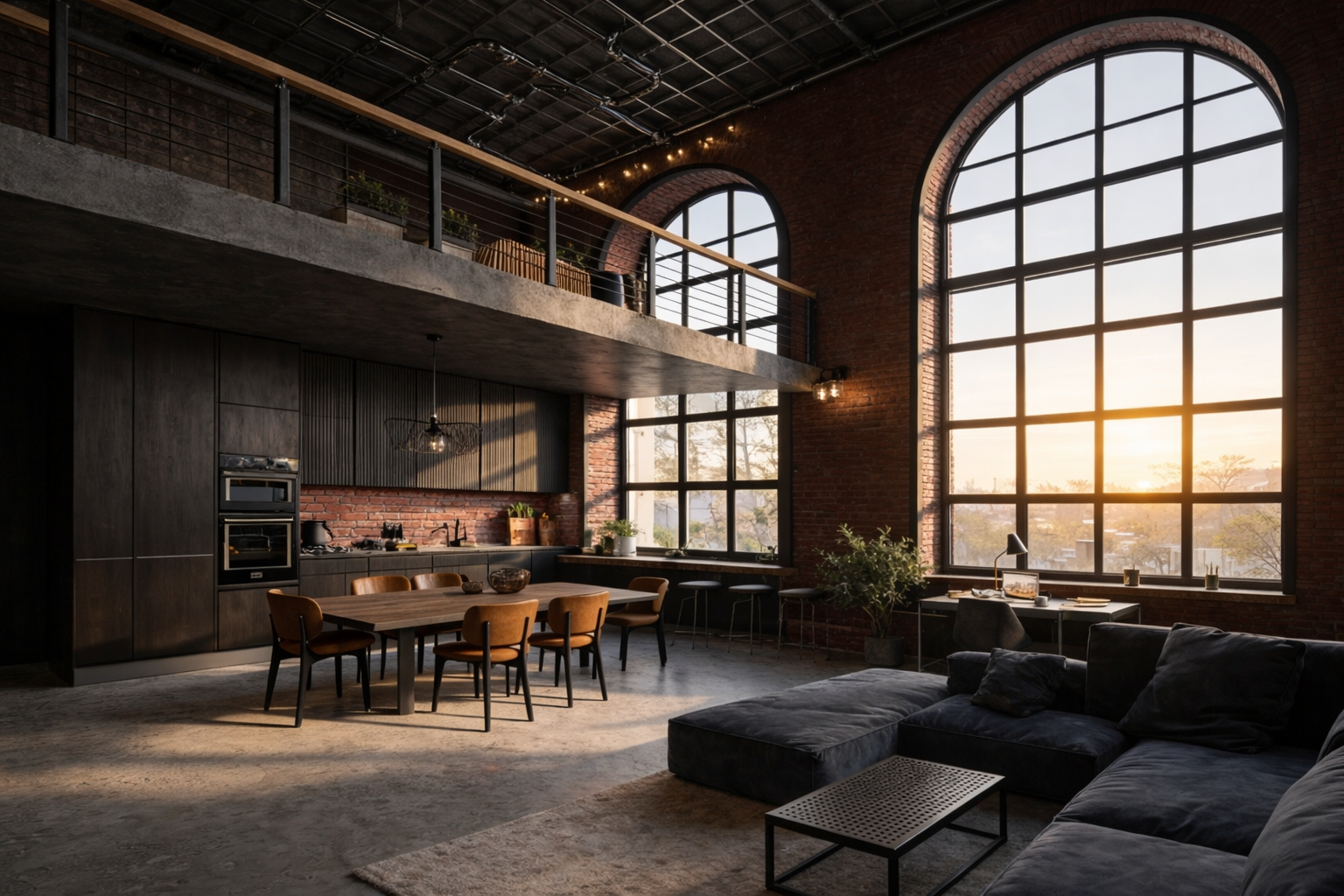
New York lofts were not designed. They were discovered. Former garment factories, printing houses, and warehouses in SoHo, Tribeca, and the Lower East Side were claimed by artists in the 1960s and 70s who needed cheap, large, uninterrupted space. What they found — and what the rest of the world has been trying to recreate ever since — was an accidental architecture of radical authenticity.
Understanding what makes a loft genuinely New York requires understanding what those spaces were before they were homes. The building’s history is the design. Remove that history and you’re left with a large, open room that happens to have exposed brick.
01 — The Cast-Iron Bones
Structure as Identity
The defining structural feature of the original New York loft is the cast-iron column. In SoHo’s 19th-century manufacturing buildings, these columns run floor-to-ceiling in regimented grids, spaced roughly twelve to fifteen feet apart. They were never meant to be beautiful. They were meant to hold floors loaded with industrial machinery.
Their beauty emerged from their honesty. A cast-iron column in a loft apartment carries centuries of industrial memory — the rhythm of the factory floor, the weight of the city’s manufacturing past. Paint them and you muffle that memory. Leave them raw and they define every room arrangement around them.
The column grid doesn’t constrain the loft — it is the loft. Furniture arranged around those columns acknowledges the building’s history. Furniture that ignores them pretends the building is something it isn’t.
02 — The Ceiling Height
Volume & Scale
Authentic New York lofts have ceiling heights between twelve and sixteen feet. This is not an aesthetic choice — it’s an industrial necessity. Manufacturing floors required height for machinery, ventilation, and the movement of goods. That vertical volume, once experienced, cannot be approximated by a standard residential ceiling height of eight or nine feet.
Ceiling height changes the entire acoustic quality of a space. Sound disperses differently. Footsteps echo differently. Conversations feel more expansive, less contained. These qualities cannot be engineered into a space that lacks them originally.
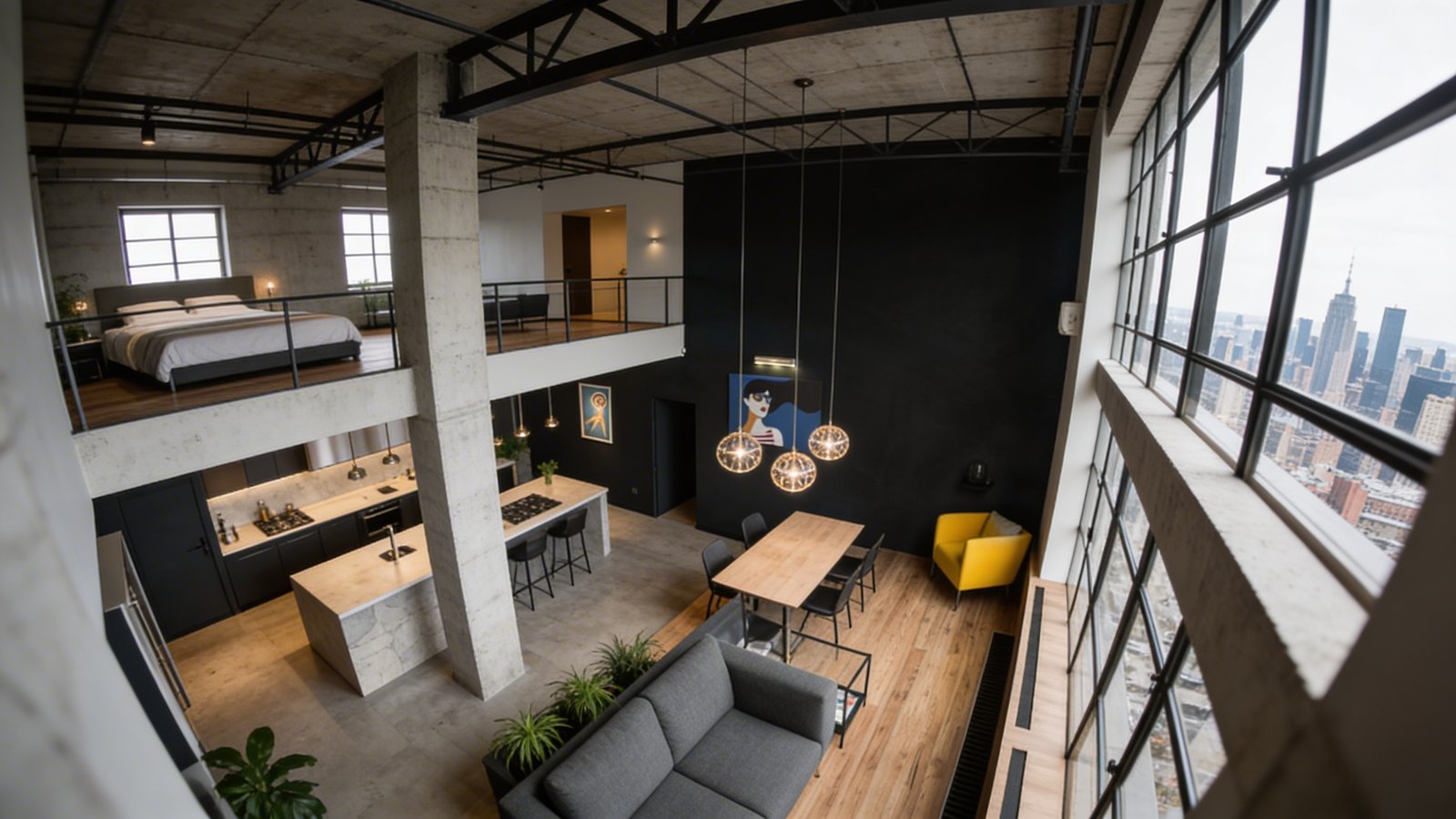
The Volume Hierarchy
- 12–14 ft — Standard industrial conversion. Genuine loft experience.
- 14–16 ft — Upper-floor manufacturing space. Exceptional volume.
- 16+ ft — Ground-floor warehouse. Rare. Architecturally dominant.
- Below 10 ft — Not a loft. A large open-plan apartment with pretensions.
03 — The Unfinished Surfaces
Rawness as Aesthetic
Exposed brick. Raw concrete. Painted-over pipes. The surfaces of an authentic New York loft are unfinished not because the owner couldn’t afford to finish them — but because the building’s original character demanded they remain as found. The early loft residents who established this aesthetic weren’t decorating; they were preserving.
| Brick | Original load-bearing exterior wall. Irregular, aged, mortar-stained. | Applied brick veneer or faux panel. Uniform, too clean, no history. |
| Concrete | Structural poured slab. Cracks, variation, visible aggregate. | Polished or microcement overlay. Too perfect, too smooth. |
| Wood Floor | Wide-plank fir or pine. Knots, gaps, decades of wear. | Engineered hardwood with distressed finish. Staged imperfection. |
| Ceiling | Underside of original structure. Beams, pipes, joists — all visible. | Installed faux beams or painted-on industrial effect. Immediately identifiable. |
04 — The Windows
Light as Architecture
Industrial buildings needed natural light for factory workers — which means authentic lofts have extraordinary windows. Steel-framed grids running floor-to-ceiling on the building’s facade, sometimes spanning the entire width of the floor. The scale of an authentic loft window is impossible to replicate in residential construction without demolishing the structural approach entirely.

What Authenticity Actually Means
The New York loft is authentic not because it looks a certain way, but because it is a certain thing: a former industrial space repurposed with honesty. Its beauty is a side effect of function — the function of a factory that no longer needs to be one. You cannot build an authentic loft from scratch. You can only find one and respect it.
What you can do — and what this site is ultimately about — is bring that sensibility to whatever space you have. The principles of the New York loft: honest materials, honest structure, honest imperfection, radical restraint. Those translate anywhere. The cast-iron columns don’t come with them. But the attitude does.
You cannot build an authentic loft from scratch. You can only find one and respect it — or take its principles and apply them wherever you are.